Then When are proud to be a part of The Army Man Project. How cool is it to be a little green army man?!
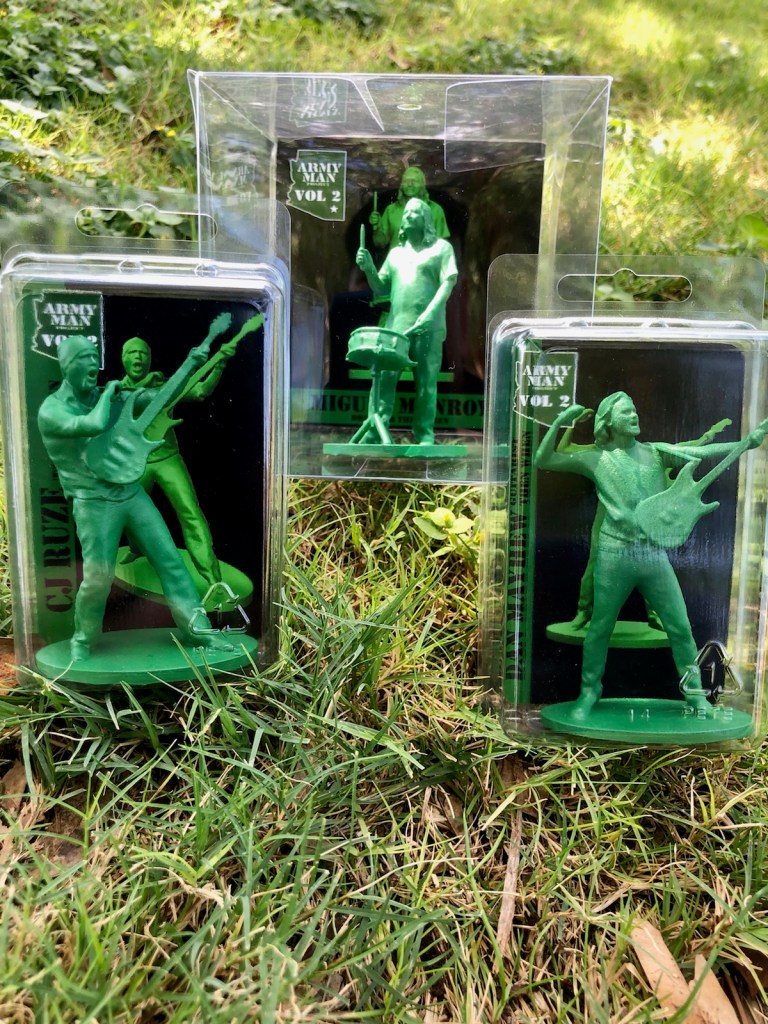

Then When are proud to be a part of The Army Man Project. How cool is it to be a little green army man?!
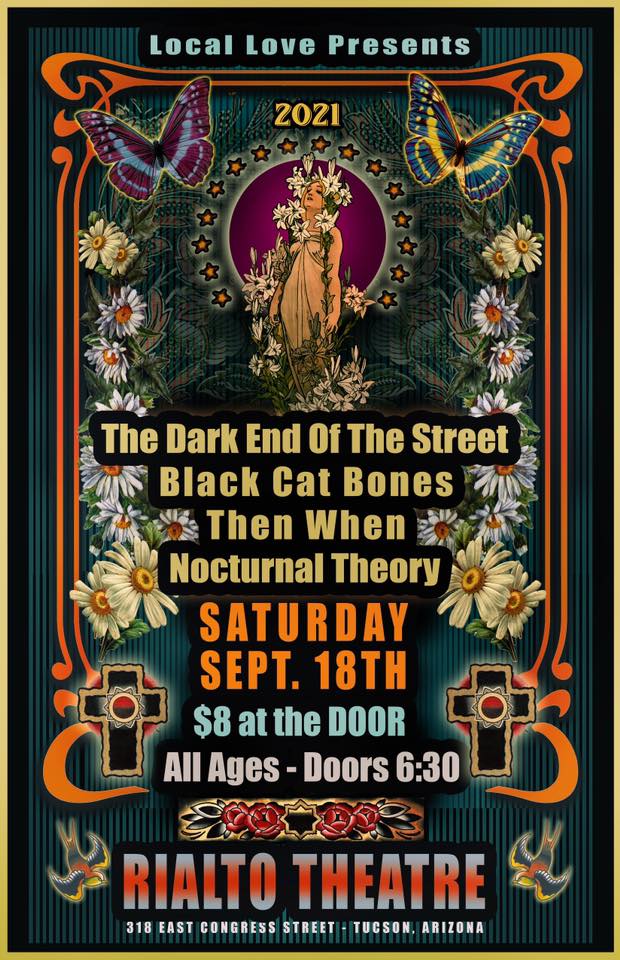
Come see Then When ruin everything at the Historic Rialto Theatre Saturday, September 18th. Support local artists and venues. Get out and and ROCK!
Hey Then When Fans, It’s been a while since we posted anything, so I thought I’d give you a quick update and then go over my guitar rig just for fun and because it ties in to what we’ve been up to.
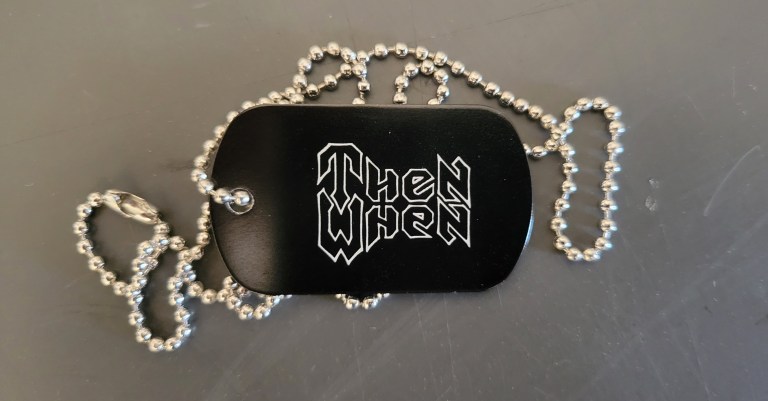
Then When are writing new material for our next release. The tunes are really shaping up nicely and we can’t wait to share them with you. We plan on going into the studio in the next month or two and laying down six to seven new songs. We’re going to have a new logo and new merch when we launch the release. Tentatively, the title of the new release is “Strange Lost World”.
In preparation for recording, I was getting my guitars and pedal board ready and thought it would be cool to put together a rig rundown post to share my methodology, signal chain, and inspiration for the build.
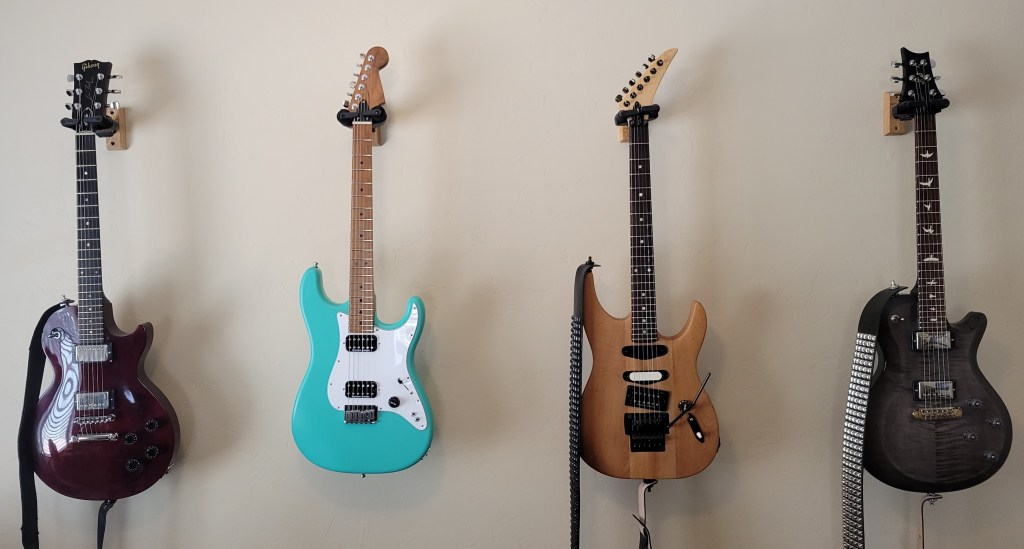
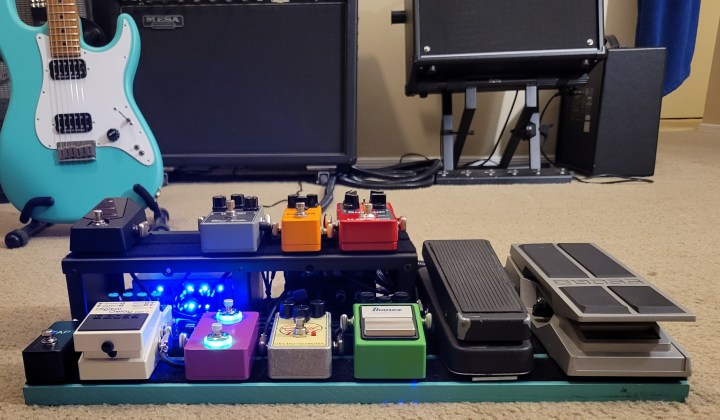
I have a few electrics, A PRS S2 singlecut, an ‘80s Kramer Pacer, a Les Paul Studio, and a Warmoth partscaster. Without a doubt, the partscaster is my favorite. I chose all the specs for it, designed the control layout, and put it together. The Warmoth neck is 24 ¾” scale with a 10” – 16” compound radius fretboard. The neck and fretboard are roasted maple, the nut is a 1 ⅝” Graph Tech TUSQ, the frets are stainless steel 6150s, and the neck also has an asymmetric curve that makes it just so comfortable. The pickups are both Seymour Duncan. There’s a Trembucker JB in the bridge and a Jazz in the neck. Both have individual coil tap switches that provide surprisingly good single coil tones. The volume knob is placed just out of the way for strumming, picking, and getting to the pickup selector switch, but close enough to use quickly. I opted for no tone knob because for my entire guitar-playing life the only thing I’ve ever done with a tone knob is obsessively make sure it’s up all the way. I could geek out for hours talking about every little nuance of this guitar. It plays like a dream and I get a variety of great tones out of it.
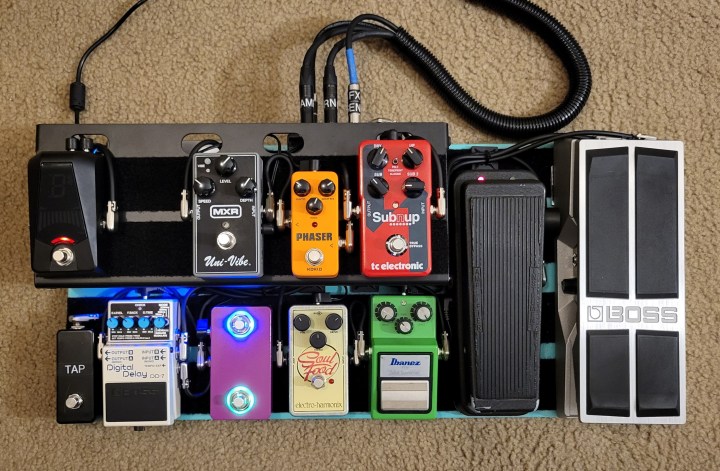
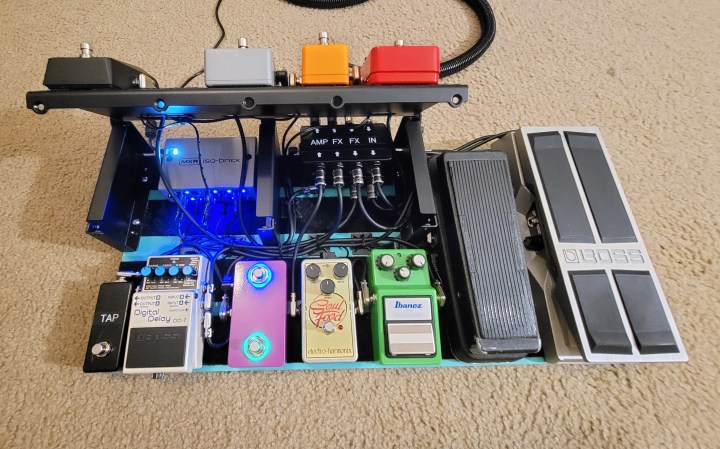
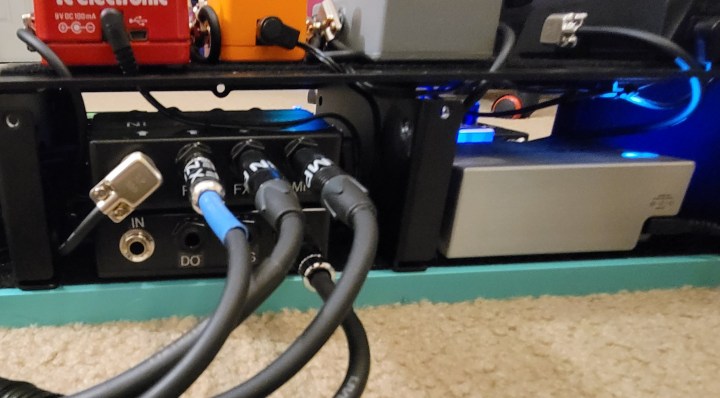
I rebuilt my pedal board in preparation for going into the studio, but I also wanted to make it simple to set up and use live. I needed something that was going to be quiet, versatile, and solid. I wanted the ability to go straight to the board for reamping but also hear my rig when I lay down the tracks. To accomplish this, I built a patch bay and a buffer bay to route my signal through the pedals, effects loop, and provide direct (dry) outs for my tuner and recording.
Guitar > patch bay in > Cry Baby 535 Wah > buffer bay in > TC Electronic Subnup > Kokko phaser > MXR Uni-Vibe > Ibanez Tube Screamer > electro-harmonix Soul Food > buffer bay amp out > amp preamp > amp effects loop send > buffer bay FX in > Boss FV 500 H Volume pedal > Boss DD7 Digital Delay > buffer bay FX out > amp effects loop return
patch bay direct (dry) out > Korg PB01 Tuner
patch bay TRS > dual button footswitch
guitar side: in, direct out, TRS, TRS
board side: direct out, direct out, TRS, TRS
guitar side: in, effects loop send (to pedals), buffered effects loop return (to amp), buffered amp out
board side: buffered pedal loop out, effects loop send (to pedals), effects loop return (to amp), amp out
I found the plans for the patch bay and buffer bay on vertexeffects.com after watching YouTube videos on the Vertex Effects channel. I modified them slightly for my purposes, basically just combining different options so I could route the signal the way I wanted.
My main amp is a Mesa Boogie Dual Rectifier Tremoverb 100 watt combo. It sounds amazing, but it’s a big-ass heavy tube amp that has its idiosyncrasies. I only take it out for recording and bigger gigs. For practice and most gigs, I’m using a Boss Nextone Special. It’s very close sounding to a real tube amp, light weight, and reliably consistent. It’s also incredibly loud. The power level can be set at 0.5 W, 20 W, 40 W, or 80 W. For practice I have it at 20 W, and we’re a pretty loud band.
Thank you for spending some time with me. I can’t wait to show you what we’ve been working on. It’s gonna rock your strange lost world.

Then When are proud to announce their upcoming release: Then When Live On Air. Nine tracks recorded live on FM radio during the KXCI Locals Only session on 2-3-2020. The live tracks have been isolated and will be available via all major streaming services soon.
Check out the promo below and samples from DistroKid

We are looking forward to a new year with new music and old friends. Let’s look to the future and make it bright for all of us. Stay safe and keep others in your thoughts as you move through your days. Peace.
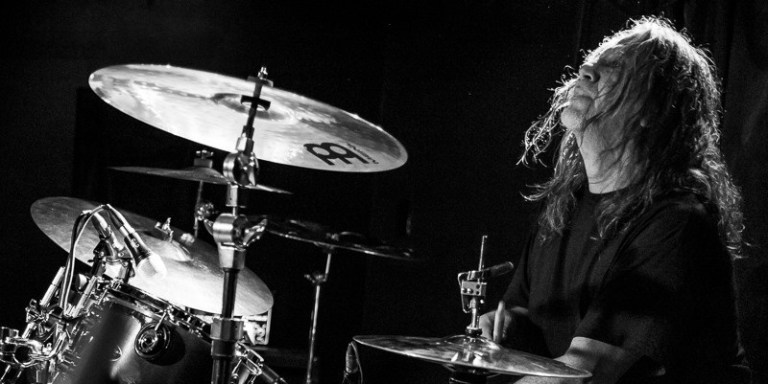
We are proud of our amazing drummer, Miguel Monroy, Sr. Check out his latest video, Playing In Circles. Congratulations, Miguel, on a great project.

For 21 years, the Alliance Fund has distributed nearly $1 million in grants to LGBTQ+ organizations and causes. This year Then When are proud ally sponsors of the 2020 Alliance Fund Celebration, Queer For Good. We encourage you to register for this virtual event being held Wednesday, 10/21. Sign up online here or you can find the Facebook event here.
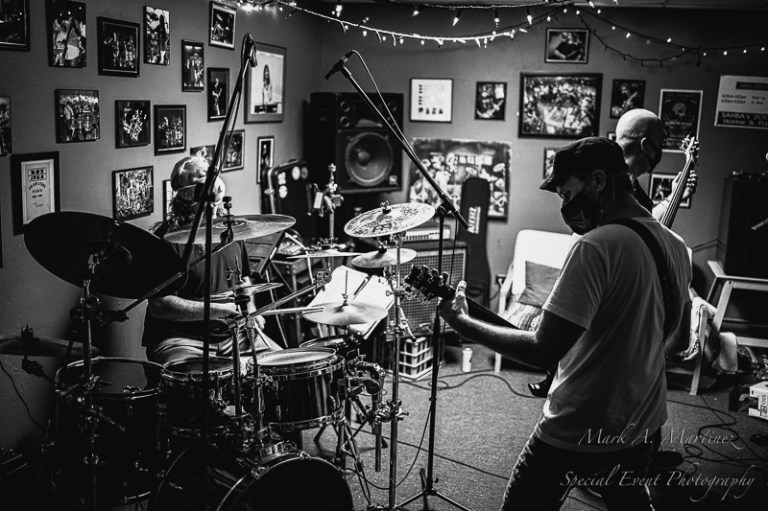
All photos courtesy of Mark A. Martinez
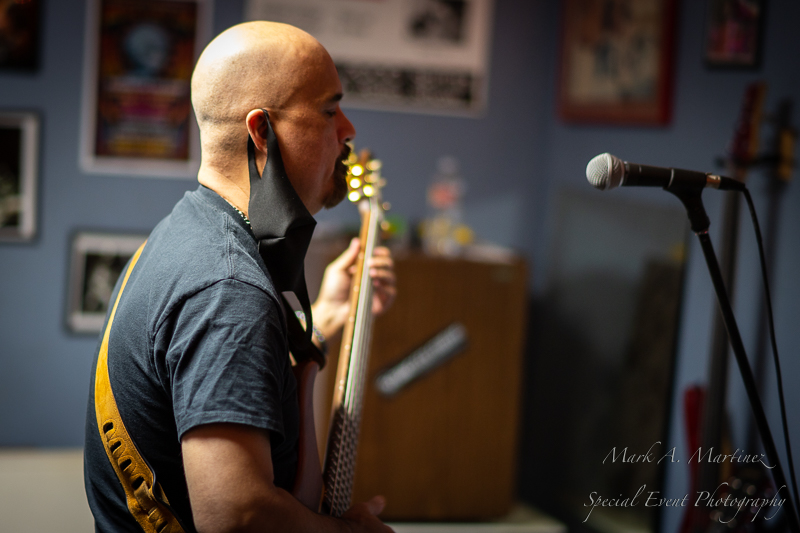
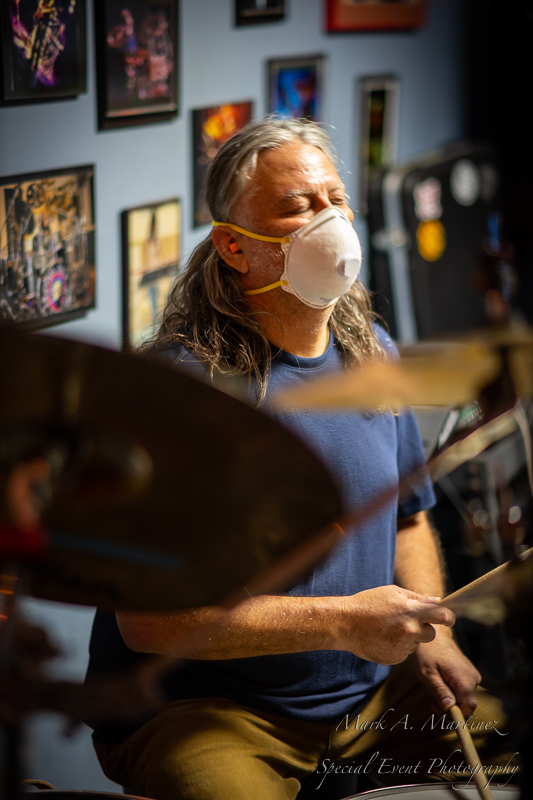
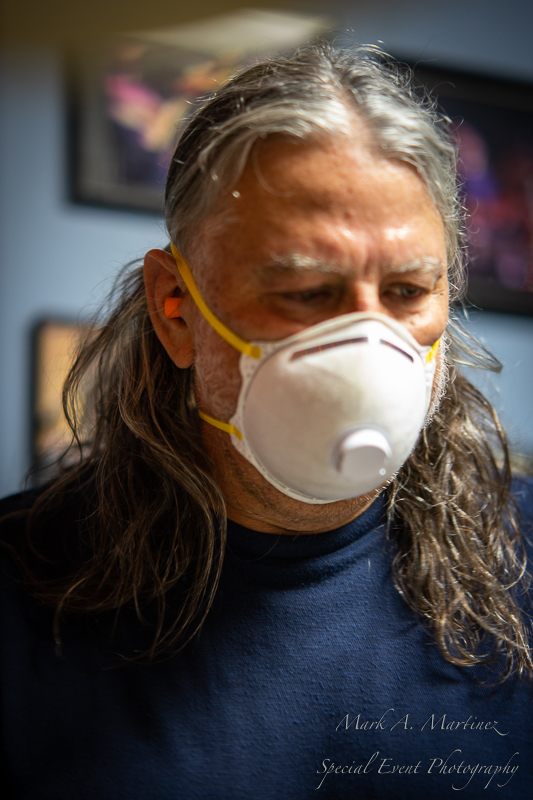
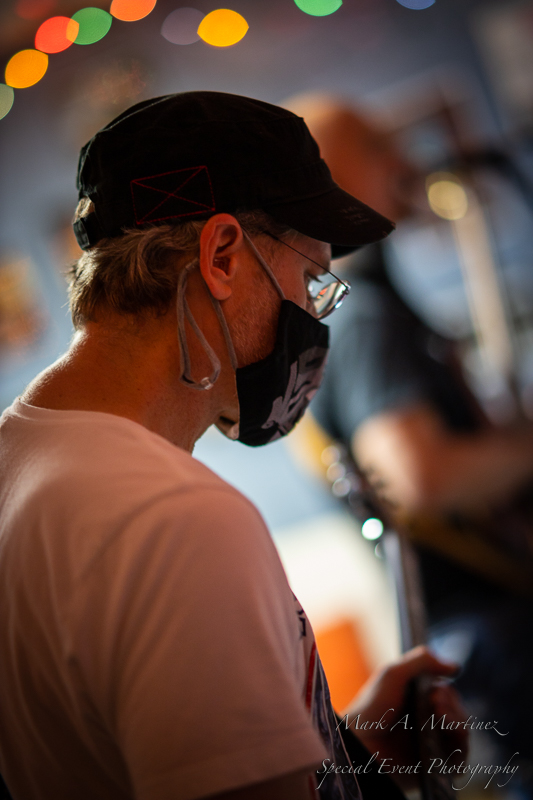
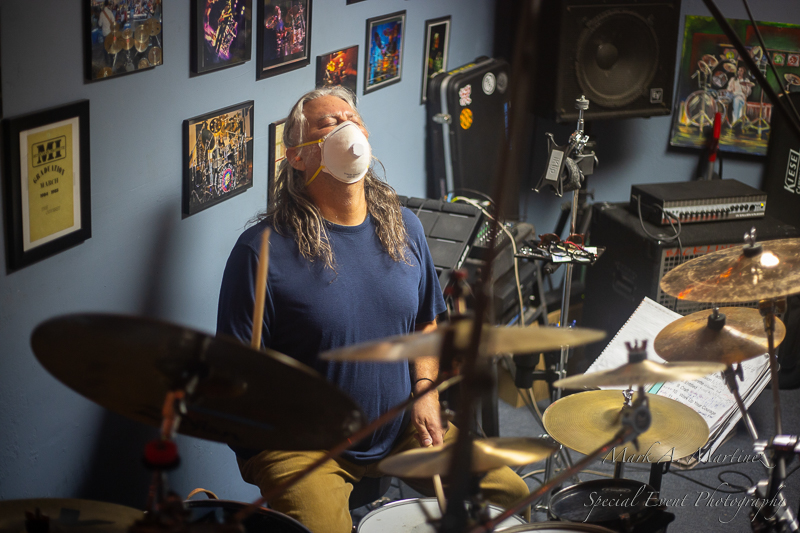
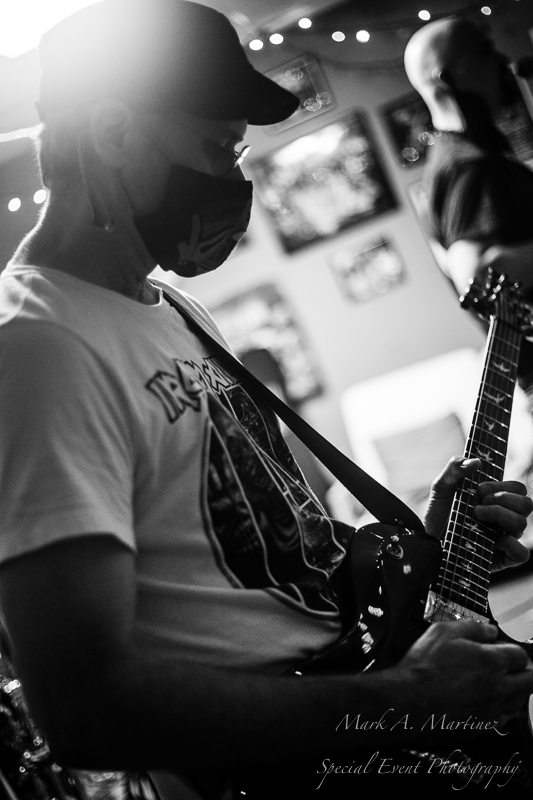
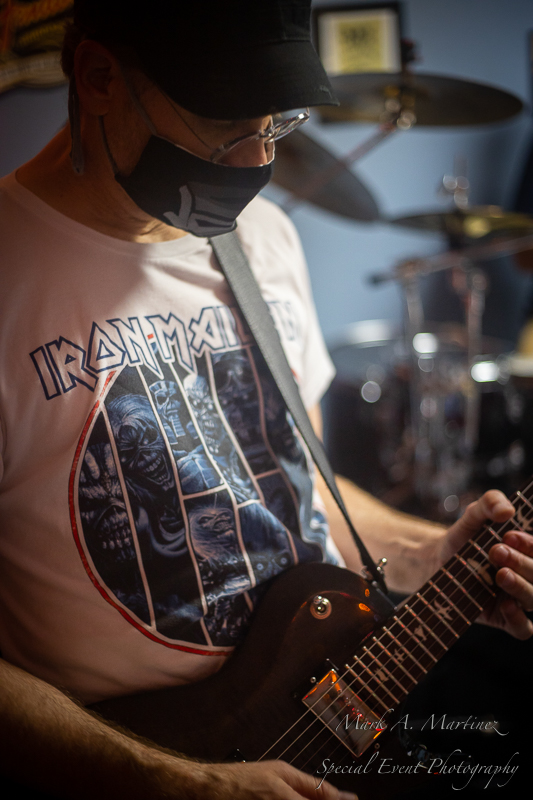
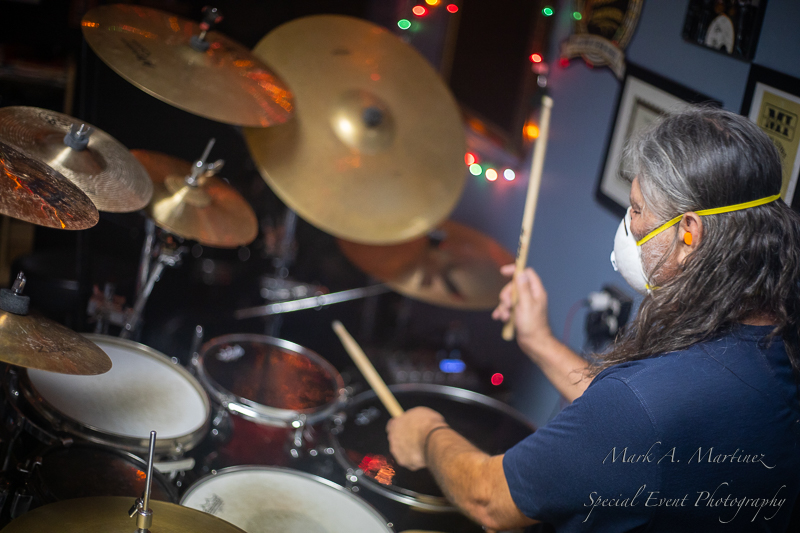

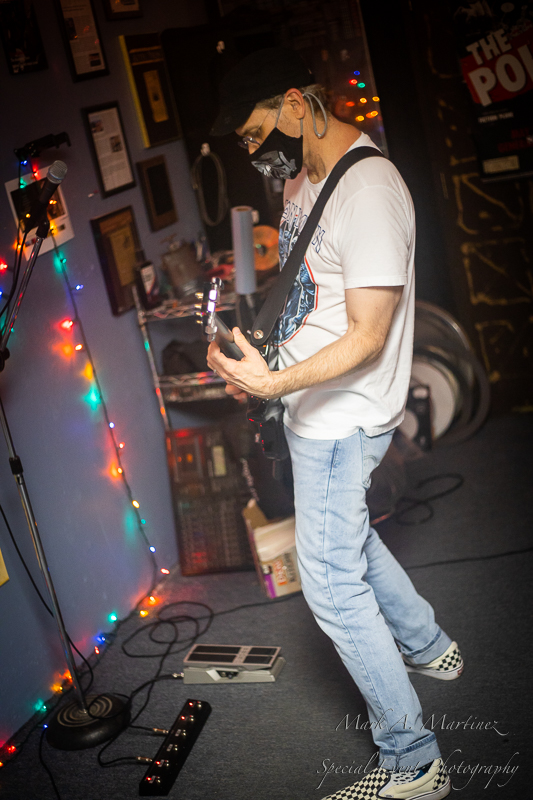
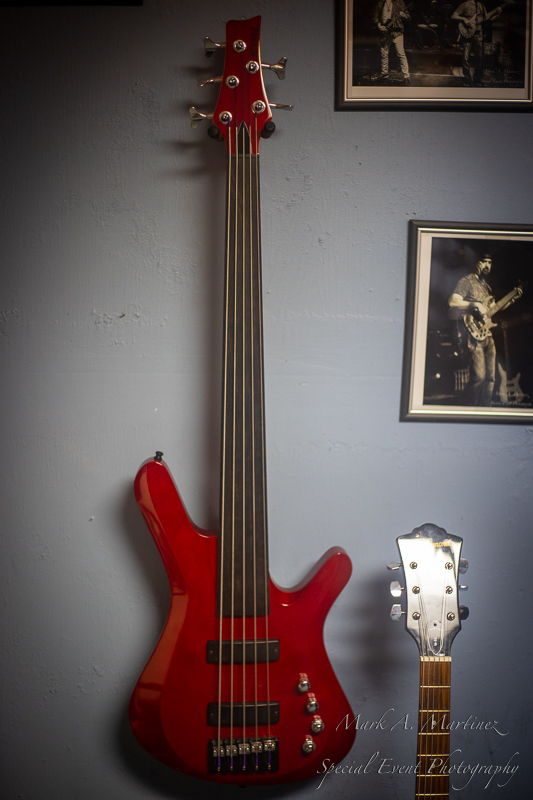
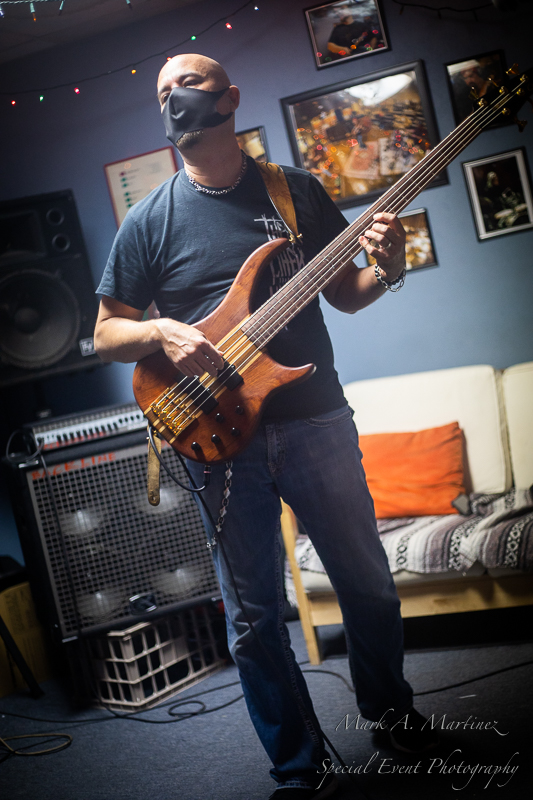
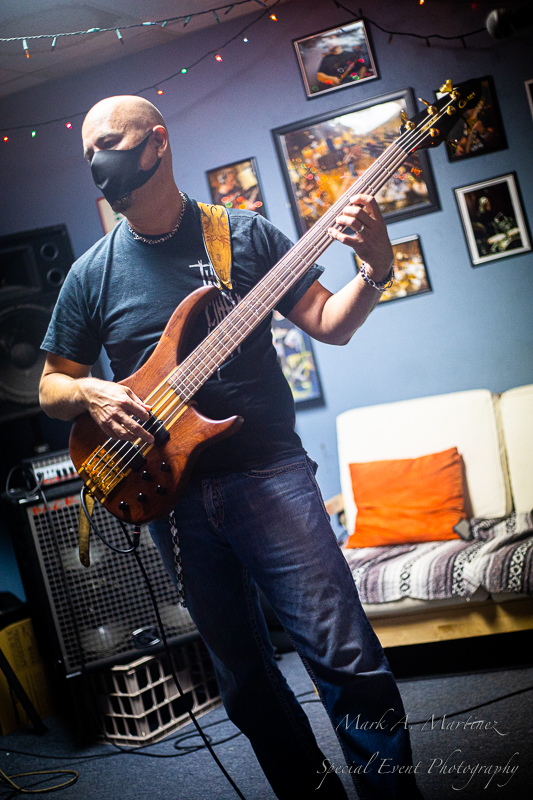
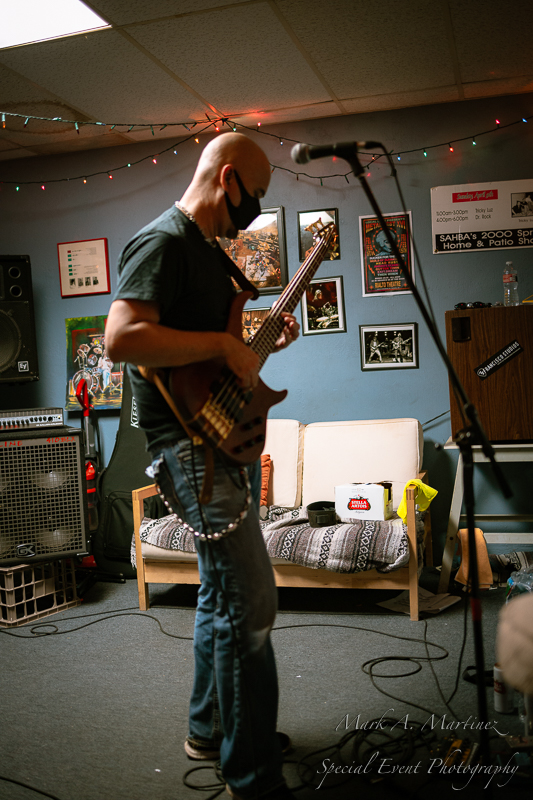
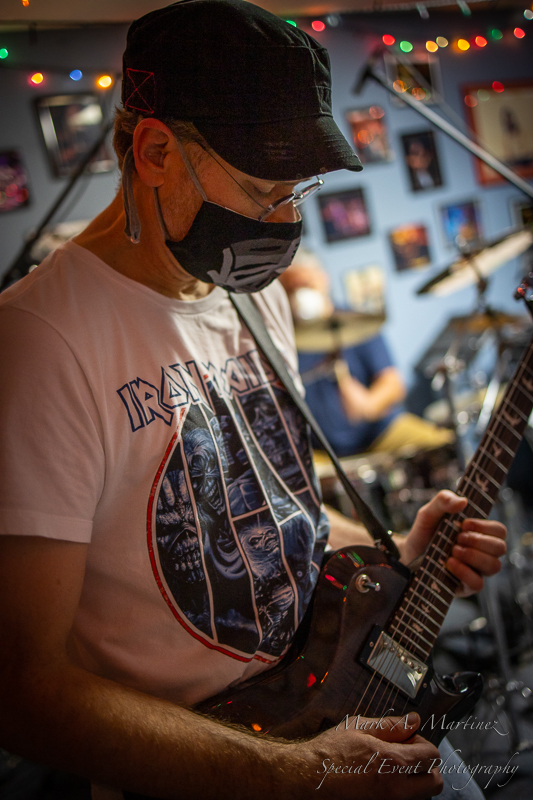
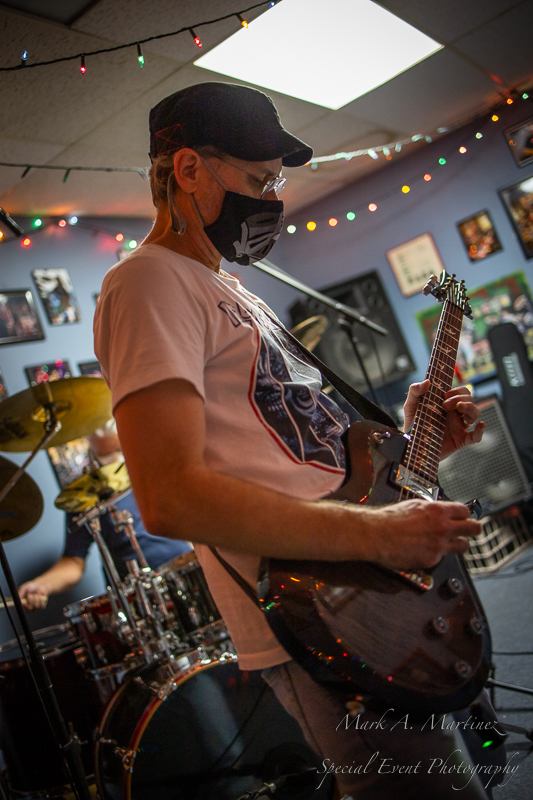
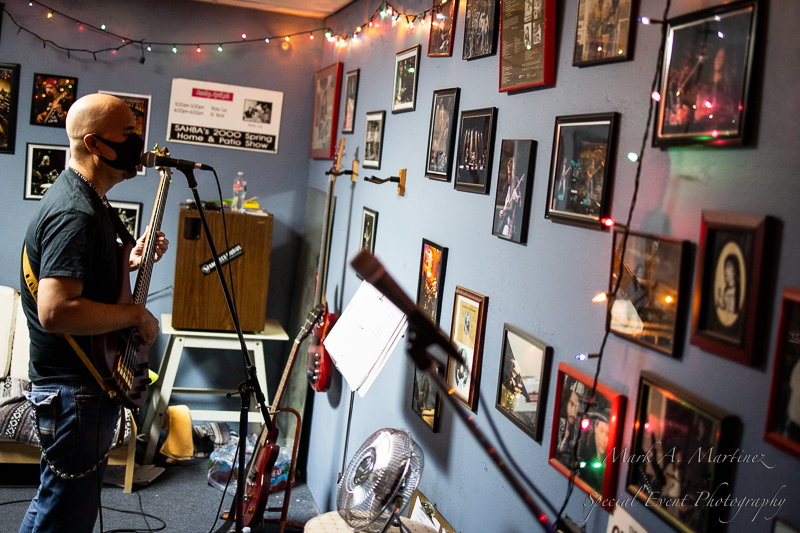
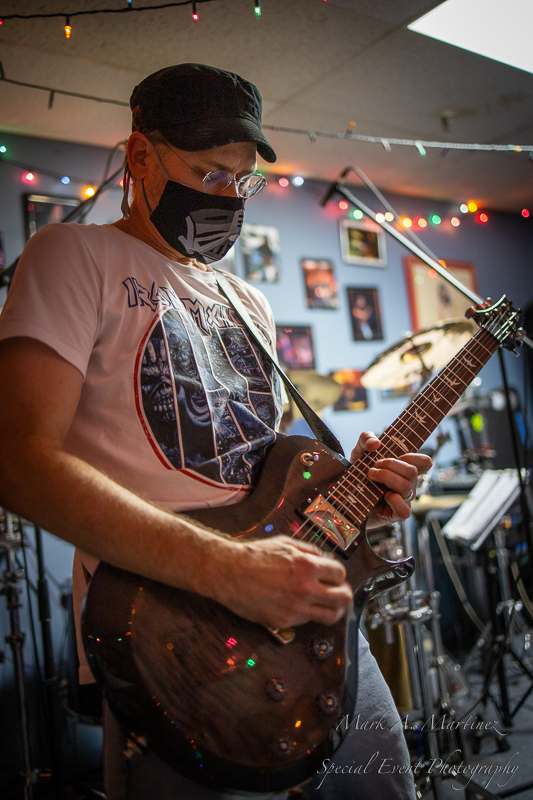
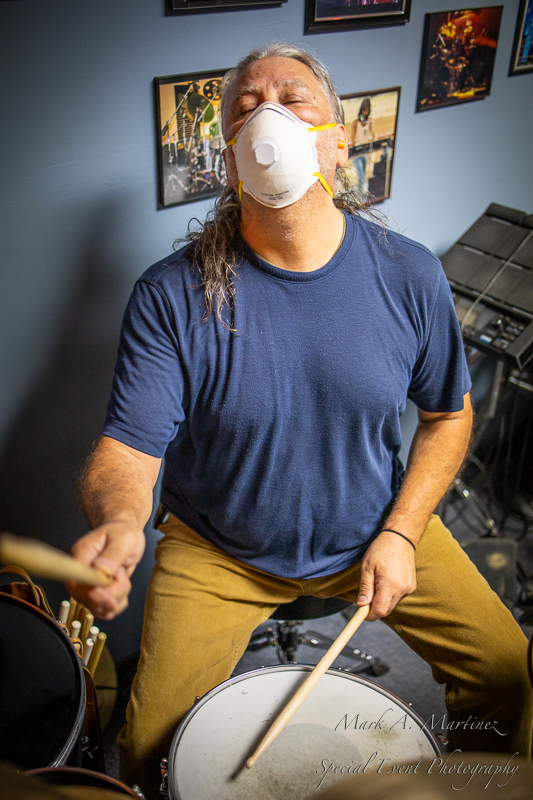
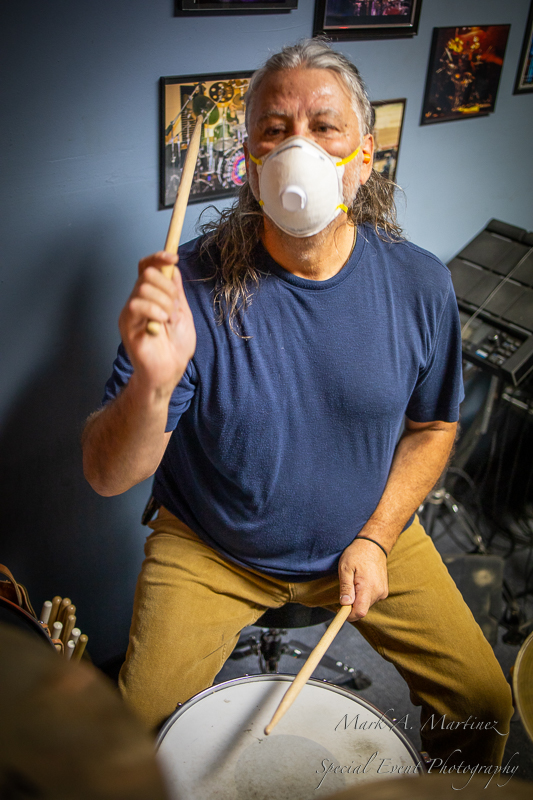
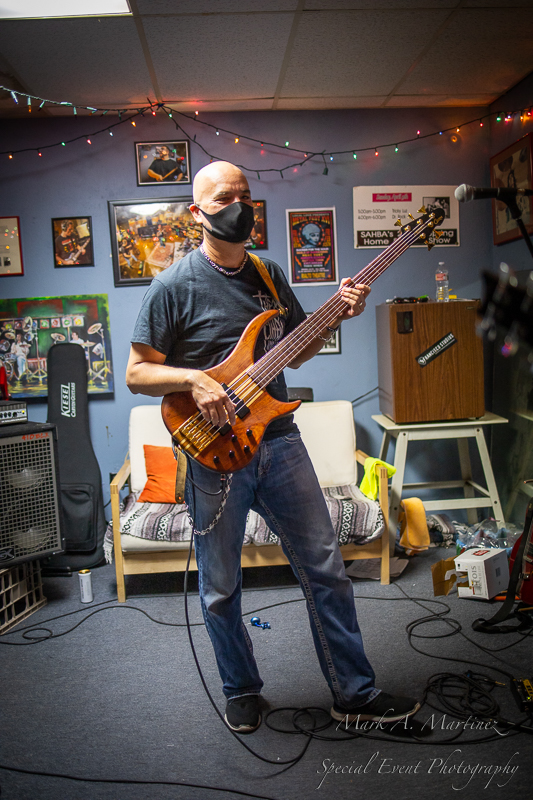
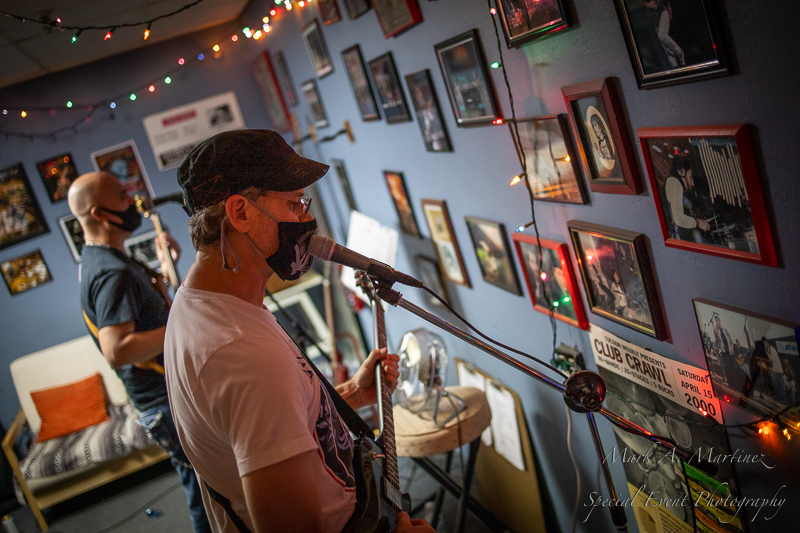
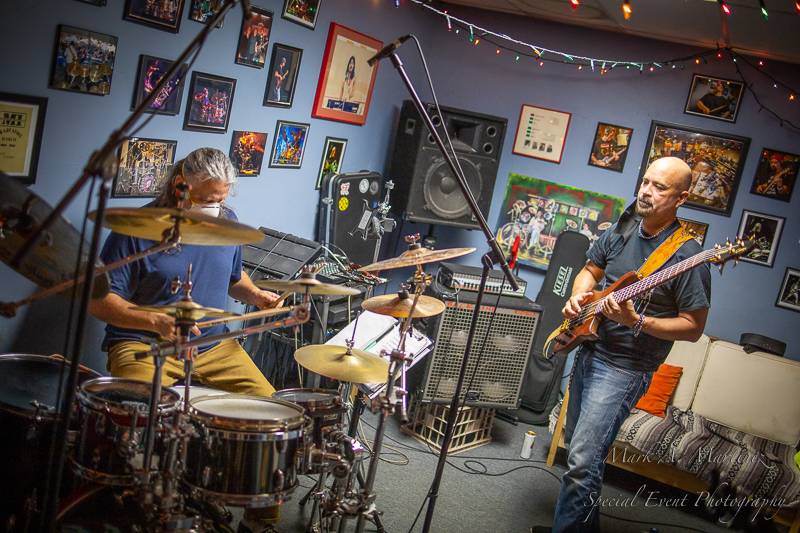
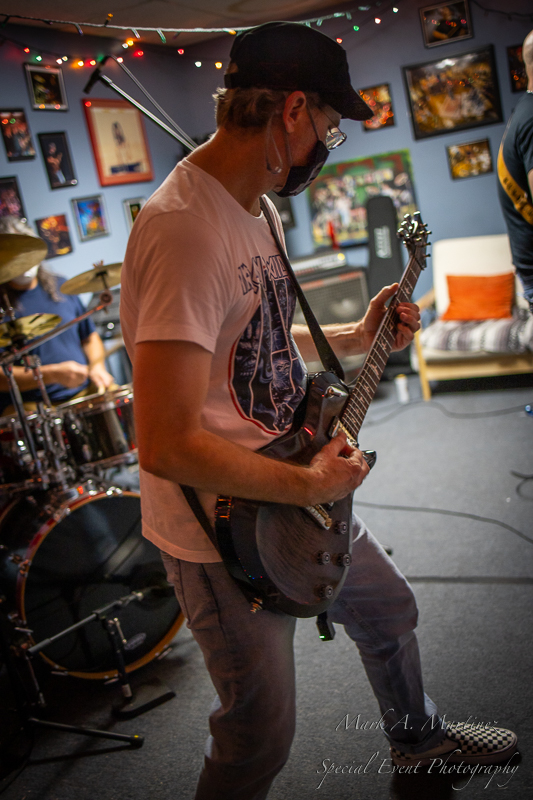
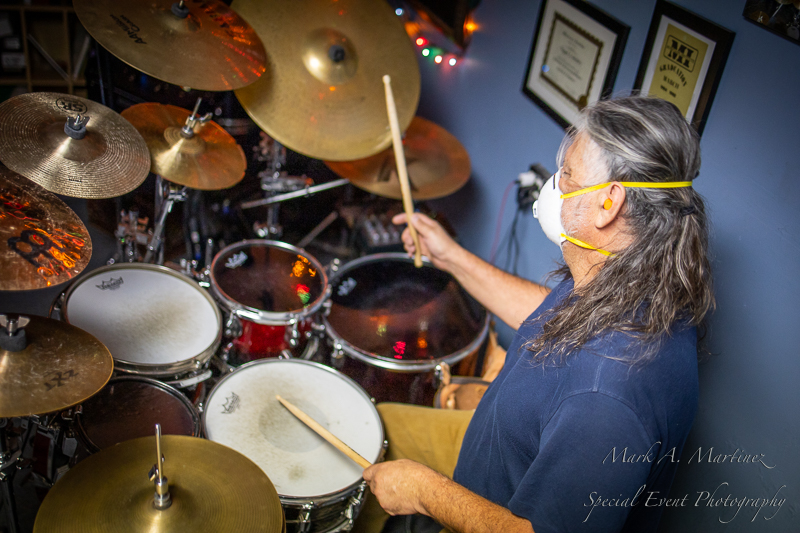
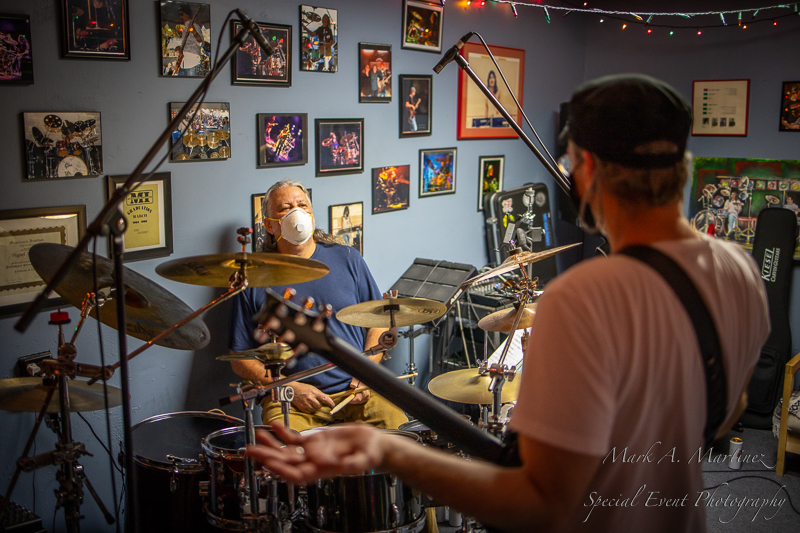
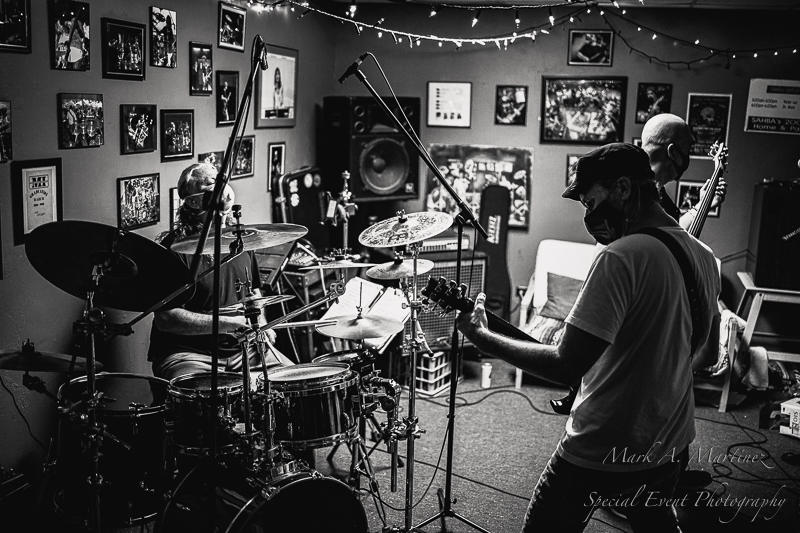

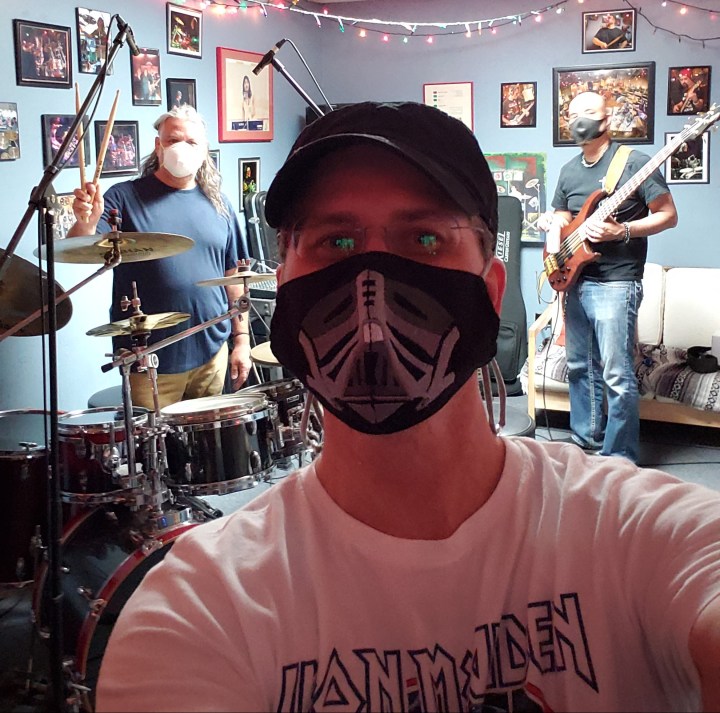
We’re getting back into the swing of things with some obvious changes to how we practiced before. It’s not easy playing and singing through a mask for a couple hours, but it’s a lot easier than wearing one for 12-18 hours in a hospital. Thank you to all the Essential Workers. You’re our people and we respect you and your health and safety. We hope to play live when it’s safe to do so. Maybe a drive in concert somewhere? Who knows, but when it’s safe, Then When will be ready to rock.
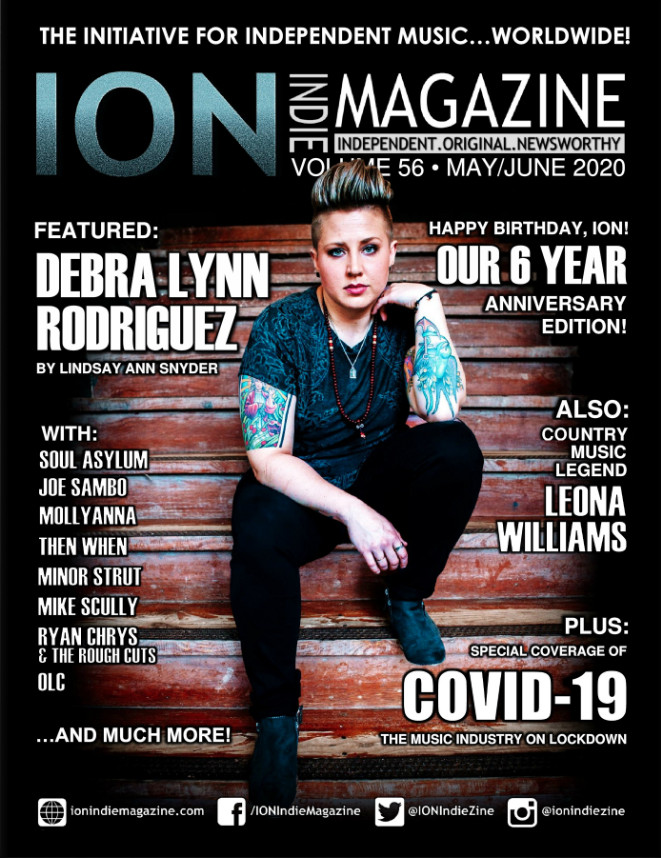
Yeah, it happened. We can’t believe it either. So stoked to be included in the 6 year anniversary edition of ION. Thank you, Marty Haviik and everyone at ION Indie Magazine for your support.
 Then When